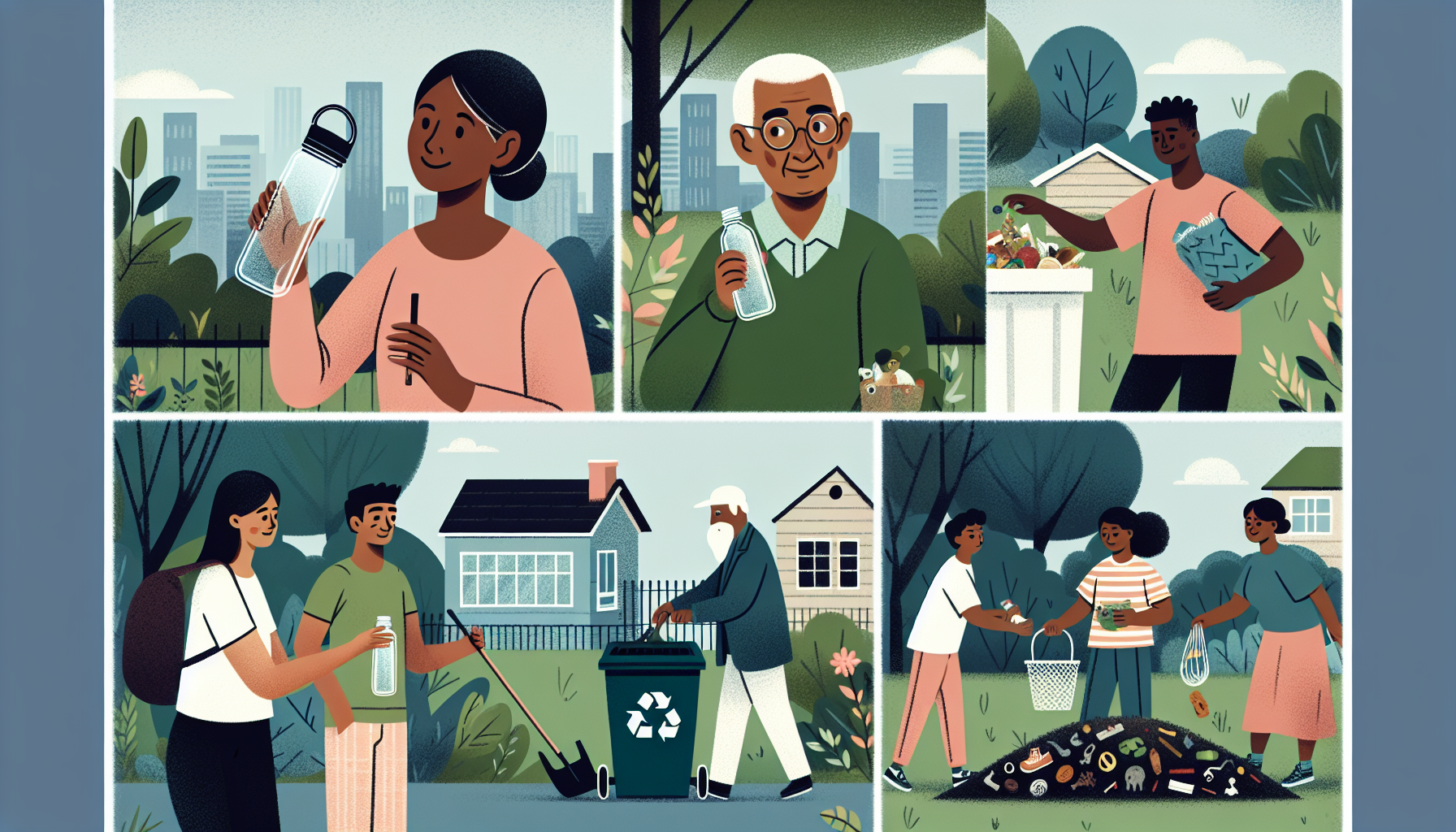
Reducing household waste is an important way to help the environment and lessen your carbon footprint. A great first step is to check your local council/county/municipality website for information on recycling programs, kerbside collection schedules, and tips on what can and can’t go in the recycling or green-waste bins. Councils often provide helpful guides and updates on waste management services specific to your area. Here’s an example.
Composting is another effective method. By turning food scraps and garden waste into nutrient-rich compost, you not only reduce the amount of waste sent to landfill but also create a valuable resource for your garden. Many councils offer subsidised compost bins or workshops to help you get started.
It’s also important to be mindful of what you buy and throw away. Before buying or tossing something, consider if it can be reused, repaired, or recycled. Reducing single-use items, choosing products with minimal packaging, and buying in bulk where possible can all make a difference. Bringing your own reusable coffee cup or containers for food purchases is surprisingly satisfying!
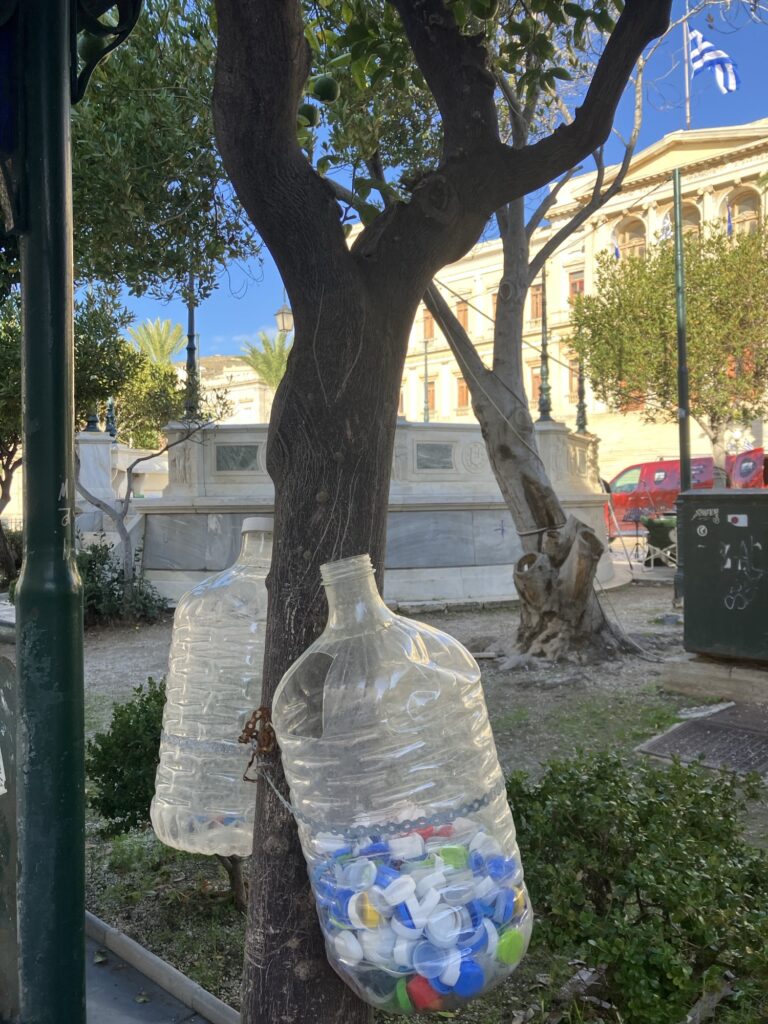
Every bit of waste that ends up in landfill contributes to carbon emissions, mainly through the production of methane as organic material breaks down. But also through the emissions it took to manufacture and transport that item, sometimes right across the world and back again. When it’s just for the convenience of single use, that’s very sad.
By making small changes at home, you’re helping to reduce carbon emissions and protect the environment for future generations. Be a zero carbon-emissions leader!
Jane’s story:
Effective waste management is a collective responsibility, essential for reducing emissions in Australia, where waste contributes approximately 3% to the country’s emissions total.
To minimise waste and support emission reduction efforts, consider the following steps:
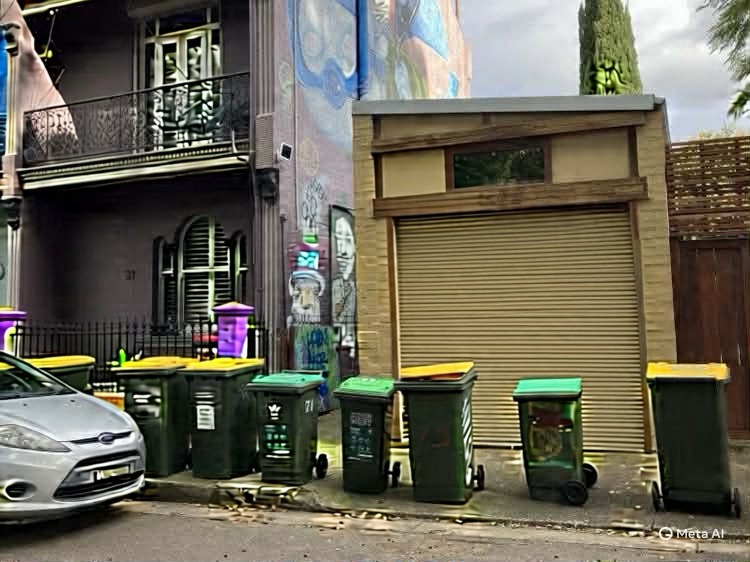
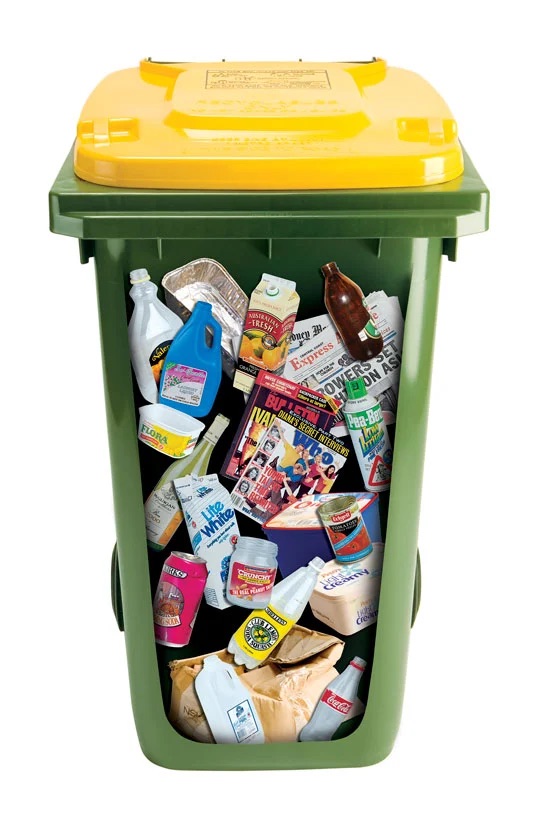
Step 1: Australian local councils provide three distinct bins for waste management. Begin by familiarising yourself with the yellow bin designated for recycling and utilise it whenever possible. For plastic bottles, consider participating in the 10-cent refund program via designated machines. You can take them to the machines yourself or give to those who collect them.
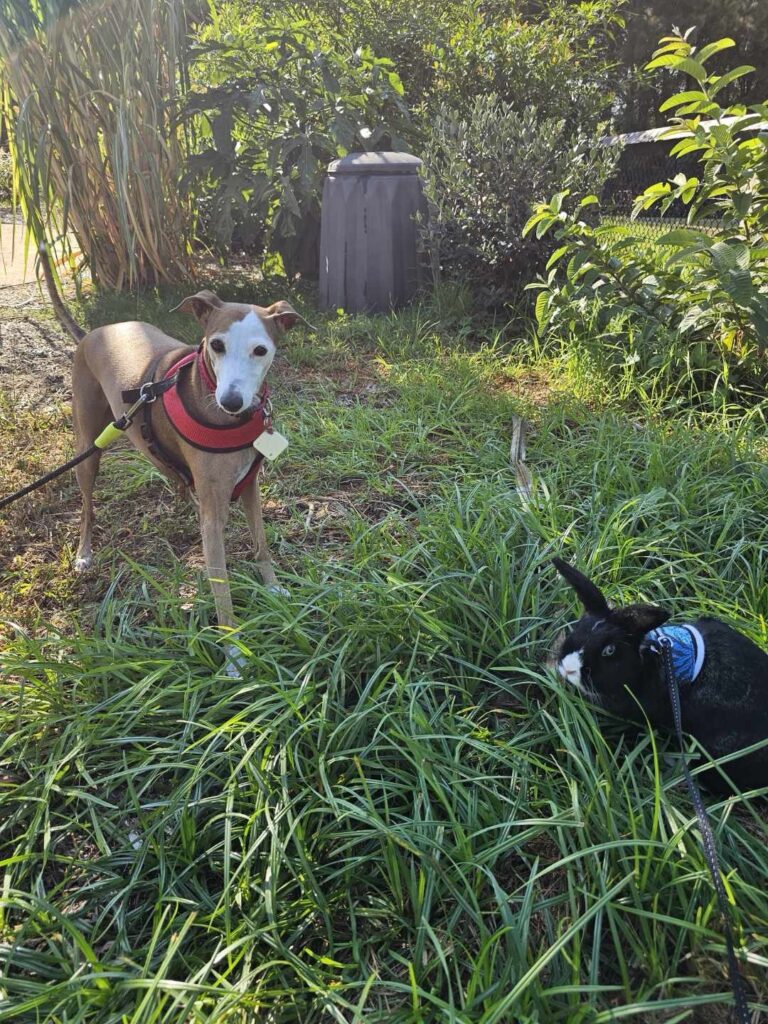
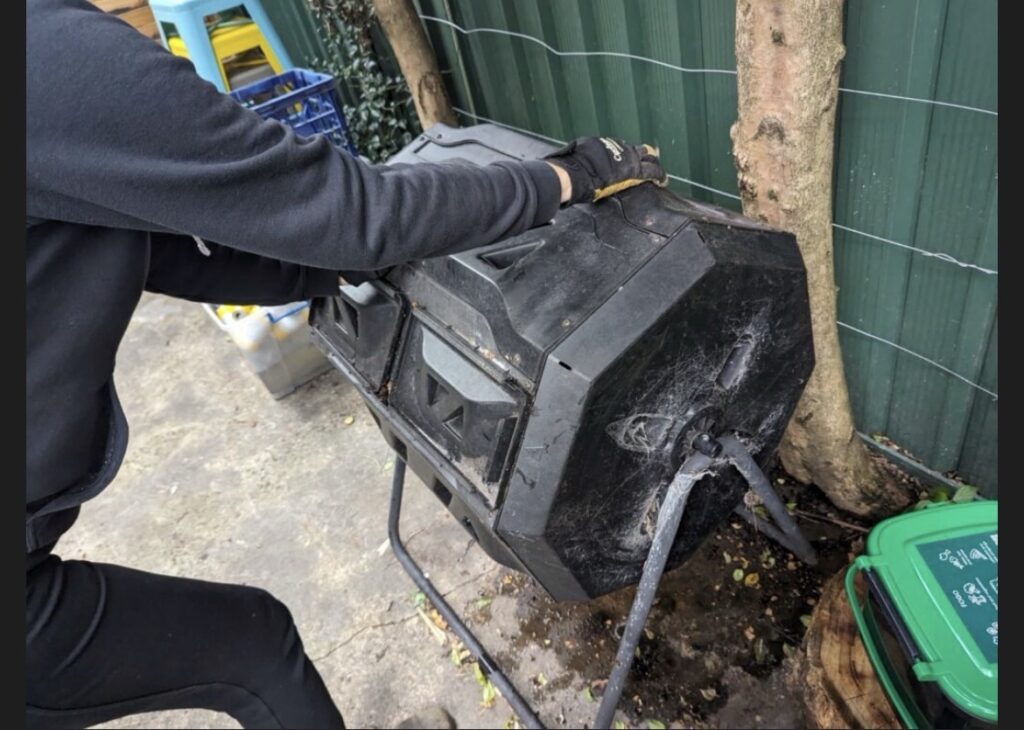
Step 2: Establish a compost bin at home. Do some research to determine which model best suits your household and outdoor environment; for example, our tumbler-style compost bin is easy to turn, and has two separate compartments. Suitable materials include fruit and vegetable scraps, coffee grounds, egg shells, and other food or paper waste. See Val’s compost story for more ideas. Maybe you have a great system too?
Step 3: Use the green bin for bulky garden waste and additional food waste. If you maintain a compost system, the green bin can serve as an alternative for items unsuitable for home composting, such as meat bones or bread.
Step 4: For other waste types—including soft plastics, batteries, plastic packaging, and medication blister packs—consider utilising services such as Home Recycle for collection. To improve storage efficiency for soft plastics, products like Wholly Shrink! may be of benefit.
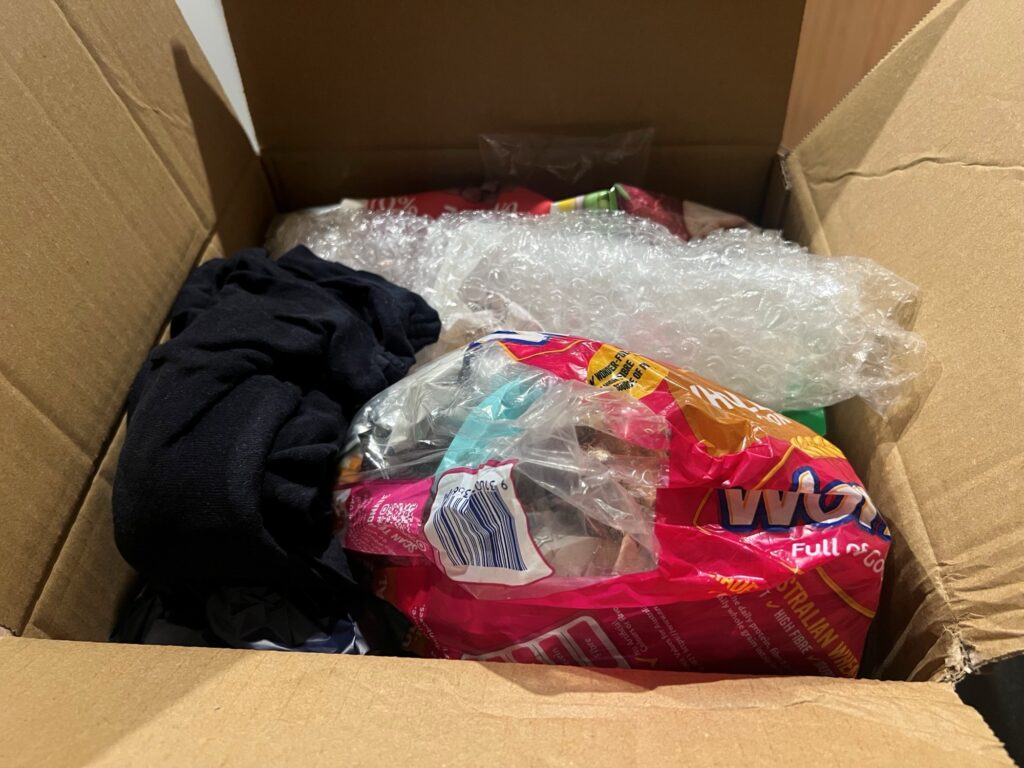
Step 5: Organise dedicated spaces in your kitchen for recyclable materials to promote consistent and efficient waste sorting.
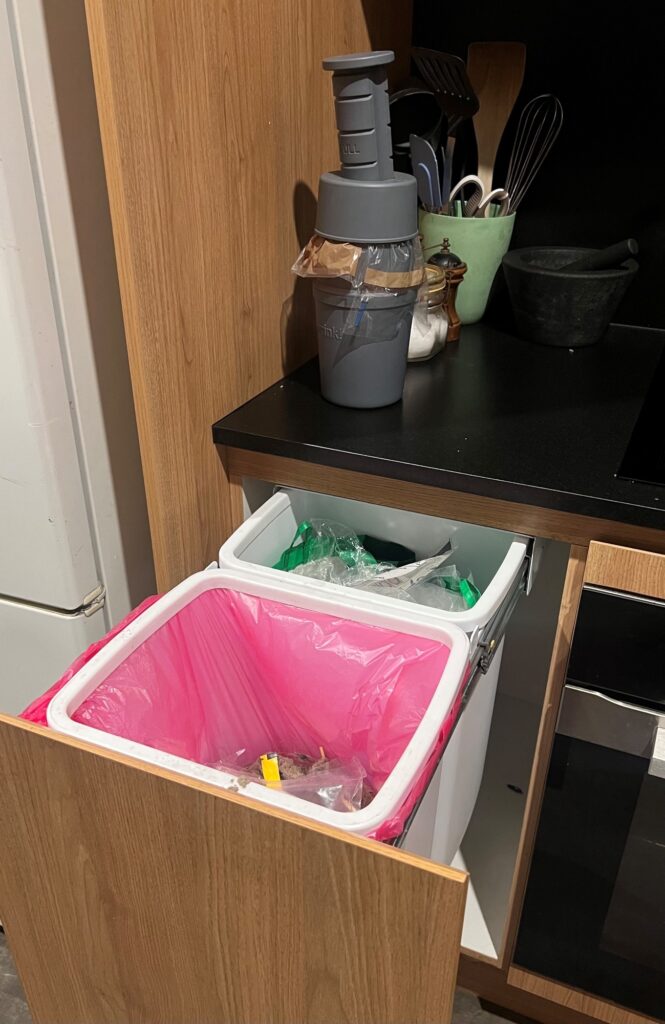
Hint: save used plastic bags as liners and empty them out into the council bin. Reuse until too grotty or damaged. No need to buy bin liners.
Step 6: Celebrate your wins. We have hardly any rubbish now in our red bin (landfill). We recycle and compost about 95% of our waste!